The Bazadaise: discover the grey cow of the South-West!
Meet Cerise, the 2016 Bazardaise ambassador for the International Agricultural Show
Who is Cerise ?
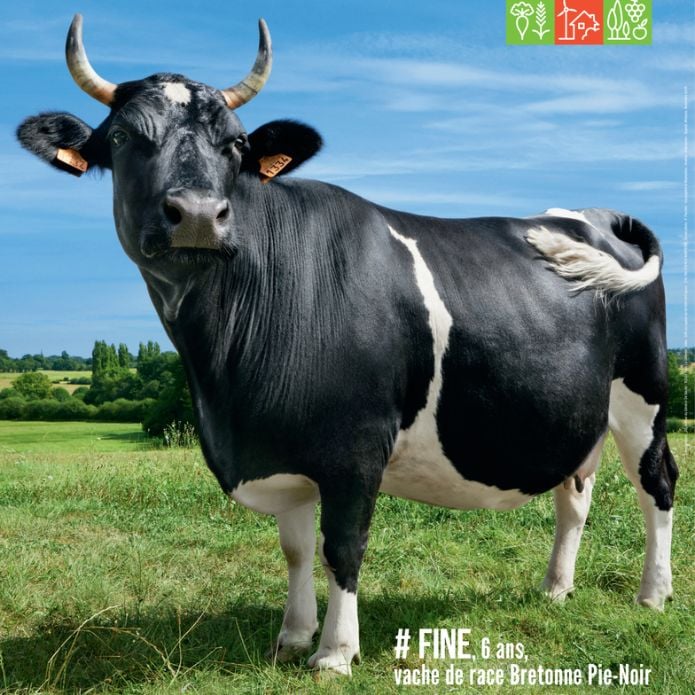
In 2016, the Bazadaise breed took centre stage at the International Agricultural Show with Cerise, the first cow of this breed to become the show’s mascot.
Aged eight, she was reared by Joël Sillac in Perquie, in the Landes region, near Mont-de-Marsan.
The mother of six calves and weighing 850 kg, Cerise represented a breed that had come close to extinction a few decades earlier.
Her breeder, who was particularly fond of the Bazadaise, had chosen to develop the practice of rearing calves with their mothers, a traditional method in the region.
Through Cerise, the Show highlighted the work of the breeders who have helped to preserve this breed and raise awareness of the quality of its meat.
How can you recognise a Bazadaise cow?
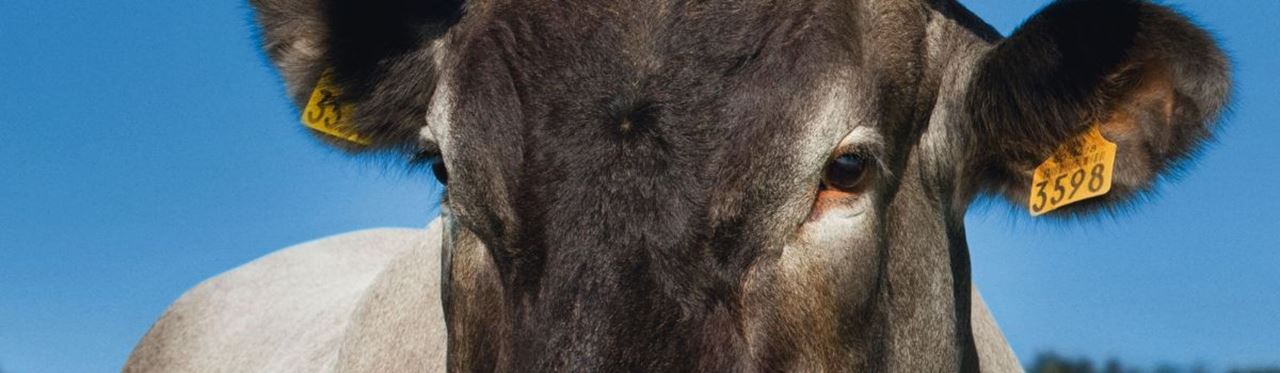
The Bazadaise has a grey coat, which can vary in shade. It has an expressive head and its eyes are framed by a light-coloured ring. Its hooves are black.
A large breed, it has a broad, deep chest, round, well-sprung ribs and a broad, slightly sloping rump.
Spotlight on the Bazardaise
Originating in the South-West, the Bazadaise is a breed of cattle recognisable by its grey coat and powerful build.
Thanks to the efforts of breeders and a conservation programme, it has regained its place amongst France’s suckler breeds.
Today, it is particularly prized for its hardiness, its maternal qualities and the excellent quality of its meat.
Where does the Bazadaise breed come from?
As its name suggests, the Bazadaise originates from the Bazas region in Gironde. Its historical heartland stretches across the hillsides of the Bazadais and the Landes massif in the South-West. Long used as a working animal for agricultural tasks, its numbers fell sharply after the Second World War due to mechanisation and the introduction of tractors.
The Bazadaise in figures
- 3,982 cows recorded in France in 2022, of which 2,511 were certified.
- 189 herds recorded in 2022.
A champion of hardiness and beef-producing qualities
Today, the Bazadaise is mainly reared for meat production. It is renowned for its muscular conformation, fine bone structure and good carcass yield. Its meat is prized for its tenderness and marbling.
The breed also possesses strong breeding qualities. The cows are recognised for their maternal instincts and their ease of calving, facilitated in particular by the width of their pelvis and the moderate birth weight of the calves.
Fertile, they produce on average one calf per year. Hardy and economical, the Bazadaise adapts to various types of soil and climate.
It makes good use of coarse fodder, requires little maintenance and can be reared in the mountains, at summer pastures up to 2,400 metres in altitude.
Meat recognised under official quality labels
The Bazadaise breed contributes to the reputation of several meats recognised under official quality labels. ‘Bœuf de Bazas’ PGI, recognised since 2007, refers to animals of the Bazadaise or Blonde d’Aquitaine breeds, or crosses between these two breeds, reared within a defined geographical area in Gironde.
Bœuf de Chalosse, which has held both PGI and Label Rouge status since 1991, may also be produced from Bazadaise cattle. Its specification sets out, in particular, the conditions for rearing, feeding and the duration of grazing. Finally, the Bazadaise is one of the breeds permitted under the specifications for Label Rouge suckler-reared veal. This traditional production method relies on calves being suckled by their mothers and reared on the farm.
-
What is the Bazadaise cattle breed and where does it come from?The Bazadaise is a French cattle breed originating from the Bazadais region around the town of Bazas, in Gironde, south-western France. Recognisable by its grey coat and well-developed musculature, it is renowned for its hardiness and beef-producing qualities. Historically used for agricultural work, particularly in vineyards and on local farms, it is now primarily raised for beef production.
-
How can you recognise a Bazadaise cow?The Bazadaise cow is distinguished by its grey coat, which can range from light to dark grey. It has a muscular body, a deep chest and a sturdy build. Its head generally features a dark muzzle and pale horns with darker tips. An adult female usually weighs between 650 and 900 kg. Its physique reflects both its historical role in agricultural work and its selection for beef production.
-
Is the Bazadaise a beef or dairy cattle breed?The Bazadaise is a cattle breed primarily raised for beef production. Historically used as a draught animal on farms in south-western France, it has gradually been selected for its meat-producing qualities. It is valued for its musculature, hardiness and maternal abilities. Today, the breed contributes to the promotion of quality beef and traditional cattle farming in the Gironde region.
-
What are the characteristics of Bazadaise beef?Beef from Bazadaise cattle is valued for its tenderness, fine texture and flavour. It is particularly associated with Bœuf de Bazas, a traditional speciality from south-western France. Its production highlights local farming practices and the expertise of cattle farmers. The Bazadaise breed also benefits from initiatives aimed at preserving its genetic heritage and promoting its beef-producing qualities.
-
Who is Cerise, the mascot cow of the 2016 Salon International de l'Agriculture?Cerise is a Bazadaise cow selected as the mascot of the 2016 Salon International de l'Agriculture. Originally from south-western France, she represented this emblematic cattle breed from the Bazas area in Gironde. Recognisable by her grey coat, muscular build and sturdy appearance, she helped introduce the general public to the characteristics of the Bazadaise breed. Her presence at the event also highlighted traditional farming practices and the expertise of beef producers in south-western France.