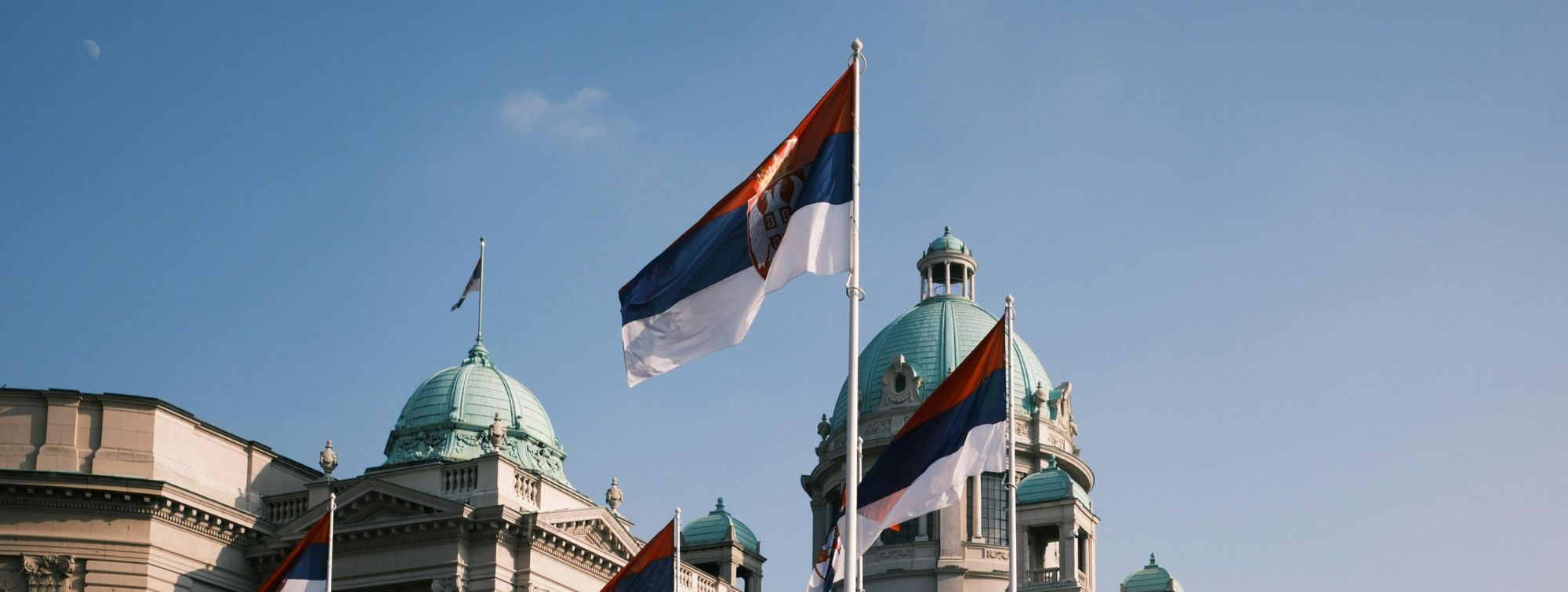
Serbia will be the country of honour at SIA 2027
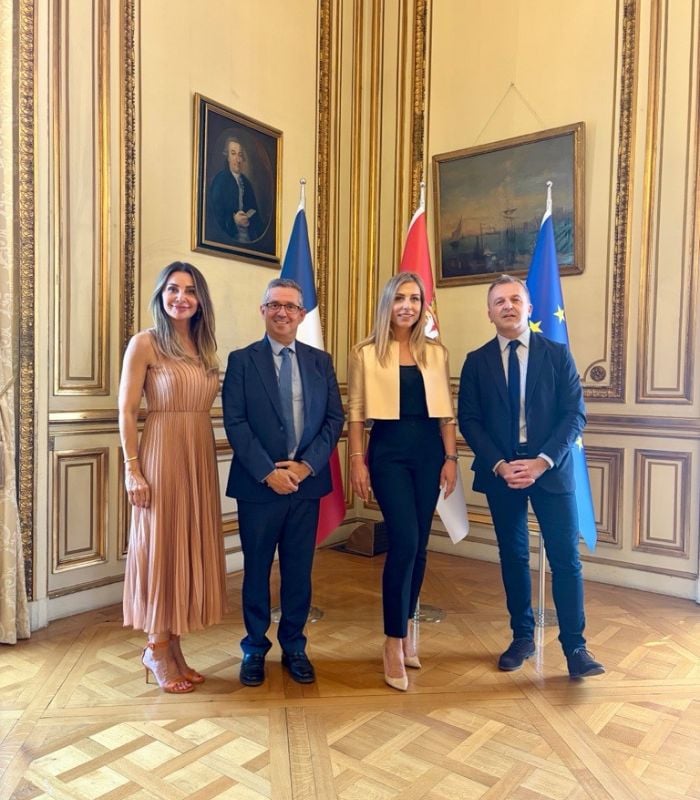
France and Serbia
The Republic of Serbia and France share long-standing relations, supported by fruitful economic and institutional cooperation. Investment by French companies in Serbia’s agricultural and agri-food sectors contributes to the development of local industries. Serbia’s status as country of honour at SIA aims to strengthen these ties, encourage exchanges between economic and institutional stakeholders, and foster new business partnerships.
This exceptional participation will take place just a few weeks before the launch of the Specialised Expo in Belgrade, helping to showcase Serbia’s economic, technological, tourism and cultural potential in 2027
Highly sought-after cereals and fruits
Agriculture accounts for 3.6% of national GDP, while agri-food exports exceed €5 billion in 2025, confirming the country’s strong export potential and competitiveness. At the heart of an extensive network of free trade agreements, Serbia is among the world’s leading exporters of raspberries, plums, sour cherries, blackberries and maize.
An emerging agricultural power
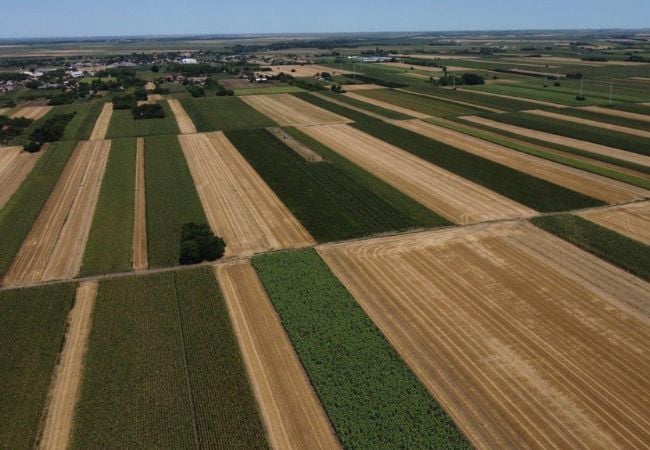
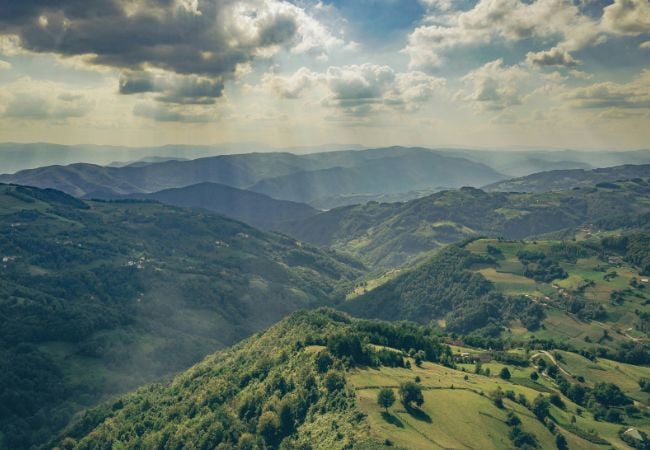
Driven by particularly favourable natural and climatic conditions, especially in the fertile plains of Vojvodina, and by its strong positioning in premium export markets, Serbia and its more than 500,000 farms have successfully carved out a place for themselves on the international stage.
But that is not all. Local agricultural policies actively support the modernisation of the sector through digitalisation, precision farming, irrigation systems and satellite crop monitoring. The future is already taking shape